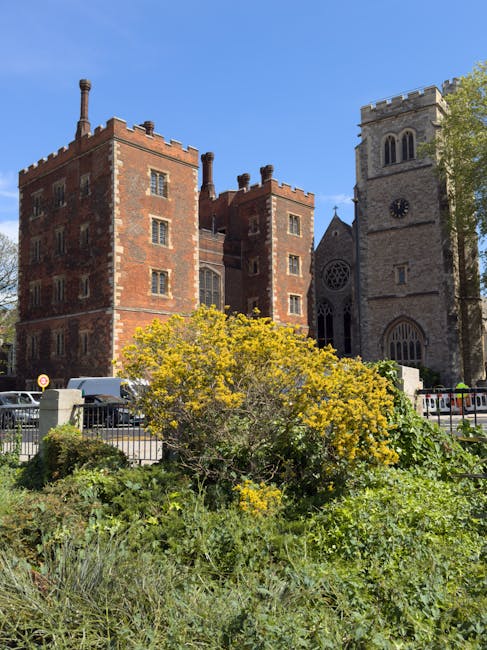
Crofton Road gardeners expert planting and maintenance: a practical guide to healthier, better-looking gardens
If your garden on Crofton Road is looking a little tired, patchy, overgrown, or just harder to keep on top of than it used to be, you are not alone. Plenty of gardens start with good intentions and then slowly slip behind after one wet winter, a couple of busy months, or a few planting choices that looked lovely in spring and then sulked by July. Crofton Road gardeners expert planting and maintenance is really about fixing that pattern properly: choosing plants that suit the space, setting up the garden sensibly, and keeping everything healthy through the year without turning your weekends into a second job.
In this guide, you will find a clear, no-nonsense breakdown of how expert planting and maintenance works, what it solves, and how to make better decisions for your own plot. We will cover the practical steps, the common mistakes, and the kinds of services and methods that make the biggest difference in real gardens. If you want a garden that looks intentional, grows well, and stays manageable, this is the place to start.
Table of Contents
- Why it matters
- How it works
- Key benefits
- Who it is for
- Step-by-step guidance
- Expert tips
- Common mistakes
- Tools, resources and recommendations
- Law, compliance and best practice
- Options and comparison
- Case study
- Practical checklist
- Conclusion
- Frequently asked questions
Why Crofton Road gardeners expert planting and maintenance Matters
A garden does not fail all at once. It usually starts with small things: a bed that dries out too quickly, a hedge that has outgrown its space, a border full of plants that liked the catalogue photo more than the actual soil, or a lawn that never quite recovers after winter. On a street like Crofton Road, where gardens often need to balance privacy, curb appeal, family use, and year-round practicality, expert planting and maintenance matters because it turns guesswork into a plan.
Good planting is not just about making things look pretty for a few weeks. It is about choosing the right plant for the right place, then maintaining that plant in a way that respects light levels, soil condition, root space, exposure, and seasonal timing. That sounds simple, but in practice it is where most gardens go wrong. A sunny front border and a shady rear corner need completely different thinking. So does a small courtyard compared with a larger lawn-and-border layout.
Maintenance matters for the same reason. Without regular pruning, feeding, weeding, mulching, and checking for disease or stress, even a well-designed garden slowly unravels. Truth be told, many homeowners do not need a full redesign. They need a steady, sensible maintenance rhythm and a few planting corrections. That alone can change the whole feel of the space.
It is also about value. A tidy, well-planted garden is easier to live with, easier to enjoy, and often easier to hand over if you ever move. The visual payoff is obvious, but the practical payoff is what keeps people coming back to proper gardening support.
Expert summary: the best gardens are rarely the flashiest ones. They are the ones where planting, structure, and maintenance all support each other. Get that balance right, and the garden starts working for you instead of against you.
You may also find it helpful to explore broader support such as regular garden maintenance and professional gardening services when the job needs more than a quick tidy-up.
How Crofton Road gardeners expert planting and maintenance Works
Expert planting and maintenance usually begins with a proper assessment. Not a rushed look from the gate, either. A useful assessment looks at the whole site: aspect, shade patterns, soil condition, drainage, boundary lines, existing shrubs, lawn health, and any problem areas such as ivy, weeds, or overcrowded planting. In a real garden, these details matter. A lot.
From there, the work typically splits into two connected tracks: planting and upkeep. Planting focuses on the structure and future shape of the garden. Maintenance keeps that structure healthy and balanced over time. If one is done without the other, the garden usually drifts back into trouble.
Planting with purpose
Good planting is not random. It considers height, spread, flowering season, leaf texture, evergreen cover, shade tolerance, and maintenance needs. A gardener might choose low-maintenance shrubs for structure, ground covers to suppress weeds, climbers for fences or vertical interest, and seasonal plants for colour. For smaller spaces, the planting plan has to be especially disciplined. Too many large plants in a limited space can make the garden feel cramped within a year or two.
If you are interested in clever space use, the article on maximizing spaces with vertical gardening offers a useful companion idea, especially for tighter Crofton Road plots or side returns that need more life without taking up ground area.
Maintenance with timing
Maintenance is where a lot of gardens either flourish or fade. The work usually includes pruning at the right time of year, deadheading flowering plants, weeding before weeds set seed, feeding lawns and beds sensibly, mowing correctly, and checking for signs of stress before they become expensive problems. The timing matters more than people realise. Prune too early, and you may lose flowers. Leave it too late, and the plant becomes leggy or tangled. Gardening does have a rhythm; you feel it when you get it right.
Seasonal care also counts. Winter protection, spring feeding, summer watering, and autumn tidying all serve different purposes. If the garden includes sensitive specimens, a more careful winter approach can prevent losses that would otherwise show up in March when you least want them to. For that, it can help to read about winter care for garden plants.
Problem-solving is part of the process
Expert gardeners do not just plant; they correct. That could mean removing invasive ivy, restoring neglected beds, improving soil, or replacing plants that never suited the site in the first place. A garden on Crofton Road may have inherited issues from previous owners, or simply from years of patch-and-pray maintenance. Either way, the solution usually starts with diagnosis, not cosmetics.
For example, if ivy is swallowing a wall or fence, a tidy trim will not solve it. You need the right removal method, persistence, and follow-through. There is a practical guide on how to remove ivy once and for all if that is one of your headaches.
Key Benefits and Practical Advantages
There are plenty of reasons people invest in expert planting and maintenance, but the best ones are usually practical. Yes, a garden should look good. But the real wins are the ones you notice in daily life.
- Better plant survival: plants are chosen for the correct light, soil, and exposure, which means fewer losses and less wasted money.
- Cleaner visual structure: well-planned borders and tidy maintenance create a garden that feels calmer and more intentional.
- Lower long-term effort: smart planting choices reduce the amount of future pruning, watering, and rescue work.
- Improved seasonal interest: the garden keeps something going through more of the year, not just one short burst of colour.
- Healthier lawns and borders: regular care prevents problems from building up, which is usually cheaper than fixing a major mess later.
- More usable outdoor space: clear paths, balanced planting, and controlled growth make the space easier to enjoy.
There is also a confidence factor. Once a garden starts responding well, people tend to use it more. You sit out longer. You notice the birds again. You stop staring at that awkward corner and thinking, "I really should sort that out." Small thing, but it changes how the home feels.
For homes that need a more budget-conscious refresh, the ideas in low-maintenance and budget-friendly garden ideas can be especially useful. They help you make thoughtful improvements without overcomplicating the plan.
Who This Is For and When It Makes Sense
Expert planting and maintenance is not only for large gardens or people with endless time. In fact, it often makes the most sense for busy households, smaller gardens that need careful planning, and older gardens that have become a bit tangled over the years.
You may benefit from this approach if:
- your garden looks inconsistent from season to season
- you have plants that keep failing and you are not sure why
- you want privacy but do not want a heavy, overgrown feel
- the lawn is uneven, patchy, or hard to keep healthy
- weeds, ivy, or invasive growth keep returning
- you have recently moved into a property with an untidy outdoor space
- you want a garden that is family-friendly, pet-friendly, or easier to manage
This approach is also a strong fit if you like the garden but do not want to spend every spare weekend trying to keep up with it. Let's face it, most people want a good-looking garden that does not eat their life. Reasonable, really.
For anyone starting from scratch or feeling a little overwhelmed, beginner gardening tips and first steps to transforming a neglected outdoor oasis can help you understand the basics before making bigger decisions.
Step-by-Step Guidance
If you want your garden to improve in a lasting way, the best path is methodical. No drama. No rush. Just the right sequence.
- Assess the space honestly. Look at shade, drainage, soil quality, wind exposure, awkward corners, and how you actually use the garden day to day.
- Remove what is holding the space back. That might mean dead plants, overgrown shrubs, invasive weeds, tired turf, or cluttered features that no longer serve a purpose.
- Decide on the garden's role. Is it for relaxing, privacy, growing herbs, safe play, pets, entertaining, or easy upkeep? A garden cannot do everything equally well unless it is designed for that.
- Choose planting by conditions, not by impulse. Match each plant to the site. Shade lovers in shade. Sun-lovers in sun. If a plant is "supposed" to be easy but clearly hates the spot, it is the wrong plant.
- Build structure first. Hedges, shrubs, climbers, and edging create the framework. After that, smaller seasonal plants can add detail.
- Improve the soil and planting beds. Compost, organic matter, and sensible mulching all help roots settle. The article on organic waste to soil is a good reminder that healthy soil is often the real foundation of the whole job.
- Set a maintenance rhythm. Weekly, monthly, and seasonal tasks should be realistic. If the plan is too ambitious, it will quietly collapse by midsummer.
- Review and adjust. Gardens change. Plants mature, shade shifts, and some choices will need tweaking. That is normal, not failure.
If the space needs more than planting and maintenance, it may be worth checking whether broader support like landscaping or lawn care makes more sense for the overall plan.
Expert Tips for Better Results
Here are the little things that separate a decent garden from one that keeps improving year after year.
- Plant in layers. Use taller structure at the back, medium shrubs in the middle, and ground cover or edging in front. It gives depth and makes borders easier to maintain.
- Do not overcrowd new planting. Small plants look lonely at first, yes. But they usually grow faster than expected. Crowding now means cutting later.
- Mulch after planting. A mulch layer helps lock in moisture, reduce weeds, and keep soil temperature steadier.
- Water deeply, not just often. Shallow watering encourages weak roots. Deep watering helps plants establish properly.
- Trim hedges before they become a task. Smaller, regular hedge trimming is much easier than trying to rescue a wildly overgrown line. For a useful angle on shaping and structure, see garden design with hedge trimming.
- Mix evergreen and seasonal plants. That way the garden does not go bare in the months when flowers fade.
- Keep one eye on access. A beautiful bed is no use if it blocks the path, bins, side gate, or washing line.
A small, slightly old-fashioned bit of advice: walk the garden in the rain once in a while. You notice drainage, puddling, and wind exposure much faster. Not glamorous, but very revealing. And mildly annoying, which somehow helps you remember it.
If wildlife, pets, or children are part of daily garden life, planning gets even more important. You might also appreciate ideas from safe garden design for children and gardening with dogs in mind.
Common Mistakes to Avoid
Most disappointing gardens do not fail because the owner did nothing. They fail because the wrong things were done consistently. That is a bit blunt, but useful.
- Buying plants for looks alone. A plant that looks lovely in the nursery may be a poor fit for your soil or shade.
- Ignoring mature size. That tidy shrub may become a sprawling beast in two seasons.
- Overwatering or underwatering. Both are common, especially with containers and newly planted borders.
- Cutting at the wrong time. Pruning can help or harm depending on the species and season.
- Letting weeds get established. A few small weeds are easy. A mature root system is not.
- Forgetting structure. Without hedges, edging, or defined zones, even a well-planted garden can feel messy.
- Using the same maintenance routine all year. Winter, spring, summer, and autumn each ask for different work.
The wind is another one people underestimate. On exposed stretches, soft planting can get battered quickly. If your plot feels a bit windswept, a strategy from solutions for windswept gardens may save a lot of frustration.
Tools, Resources and Recommendations
You do not need a van full of kit to maintain a garden well, but a few reliable tools make a real difference. The right tools save time, reduce strain, and improve the finish. That matters more than people think.
Useful tools
- secateurs for precise pruning
- loppers for thicker stems and branches
- a sharp spade and border fork
- a hoe or hand weeder for regular weed control
- a mower suited to the lawn size
- a hose or watering can with a sensible rose
- gloves that actually fit, which is more important than it sounds
For a fuller sense of the everyday kit that helps a garden stay manageable, take a look at tools every gardener needs to own.
Useful practical resources
- Garden notes: keep a simple record of what was planted and when.
- Seasonal calendar: note when pruning, feeding, and planting happen in your garden.
- Photos: take a few quick pictures each month. They help spot change, decline, or progress.
- Waste management: composting suitable organic material can support better soil health and reduce waste.
If you want to make the garden more productive as well as attractive, the herb-focused piece create a sensational herb experience is a practical springboard. For spots that need a different look, ground cover ideas for UK gardens can help with texture and weed suppression.
Law, Compliance, Standards, or Best Practice
For most garden work, the key point is not bureaucracy; it is safety, courtesy, and sensible working practice. If a gardener is pruning near boundaries, using ladders, handling heavy materials, or operating machinery, they should work in a way that protects people, pets, and property. That includes clear communication about access, debris removal, and any temporary disruption.
In the UK, professional garden work is also expected to respect basic health and safety practice. That means using tools properly, checking equipment, avoiding unsafe working positions, and taking care around pathways, steps, and wet surfaces. Good practice also includes being careful with chemicals, storing tools securely, and keeping work areas tidy enough to prevent accidents. Nothing fancy, just solid standards.
If you are comparing providers, it is fair to ask about their approach to safety, public liability, and site care. You can review related site information such as health and safety policy and insurance and safety for reassurance before any work begins.
On the customer side, good practice also means knowing what is included, how pricing is handled, and how changes are agreed. That is especially useful if the garden work involves multiple visits or a larger planting plan. A transparent approach tends to save everybody a headache later.
Options, Methods, or Comparison Table
There is no single right way to manage a garden. The best method depends on size, condition, budget, and how much time you want to spend on upkeep. Here is a practical comparison to help you think it through.
| Approach | Best for | Strengths | Trade-offs |
|---|---|---|---|
| One-off planting refresh | Gardens that need visual improvement fast | Quick impact, clear structure, immediate uplift | May still need regular maintenance to stay looking good |
| Ongoing maintenance plan | Busy homeowners and established gardens | Prevents problems, keeps growth controlled, more predictable | Requires regular visits and a stable routine |
| Full planting redesign | Neglected or badly arranged gardens | Fixes the underlying layout, better long-term balance | Takes more planning and often more upfront effort |
| Low-maintenance planting scheme | Smaller households or limited-time owners | Less watering, less pruning, easier seasonal care | May offer less colour or softness than a lush scheme |
In many real gardens, the best solution is a blend. For example, a Crofton Road front garden might use a low-maintenance planting structure, while the rear garden gets more seasonal variety and a tighter maintenance schedule. Not every space has to do the same job.
Case Study or Real-World Example
Here is a realistic example from the kind of work this topic usually involves. A homeowner had a small front garden that looked fine in winter but became messy by late summer. The border was full, but not in a good way: one shrub had outgrown its space, a climber was pushing across the fence, and the lawn edge had disappeared under weeds.
The fix was not a dramatic overhaul. First, the border was thinned so the stronger plants could breathe. Then a simple planting structure was introduced: one evergreen for year-round shape, a few lower plants for seasonal colour, and a ground cover layer to help reduce weeds. The fence line was tidied and the climber trained properly. The lawn edge was re-cut, and a maintenance rhythm was set up for pruning, weeding, and feeding.
Within a couple of visits, the garden felt more deliberate. Not extravagant. Just calmer, cleaner, and easier to live with. That is often the real win. You go from "we should do something about this" to "ah, that feels sorted."
If the garden needs more ambitious reshaping, a visit to the service pages for landscaping support or hedge trimming can help you see how structure and maintenance fit together in practice.
Practical Checklist
Use this quick checklist if you are planning a planting and maintenance refresh.
- Check where the garden gets sun, shade, and wind through the day
- Identify plants that are thriving, struggling, or overcrowded
- Remove obvious weeds, dead growth, and invasive spread
- Decide what the garden should do first: relax, screen, entertain, grow, or all of the above
- Choose plants suited to the soil and light conditions
- Build in structure with hedges, shrubs, borders, or climbers
- Improve soil with compost or organic matter where needed
- Set a realistic watering and feeding routine
- Plan pruning and hedge trimming at sensible seasonal times
- Review the garden after one season and make small adjustments
Quick reminder: if a garden keeps asking for rescue work, it probably needs better planting choices, not just more effort. That is the bit people often miss.
For next steps, you can compare services and request tailored support through pricing and quotes or learn more about the team at about us.
Get a free quote today and see how much you can save.
Conclusion
Crofton Road gardeners expert planting and maintenance is not really about having the fanciest garden on the street. It is about creating a space that fits the house, the season, and the people who use it. The best gardens feel settled. They are planted with thought, cared for with rhythm, and adjusted before problems get out of hand.
If you take one thing from this guide, let it be this: good planting choices make maintenance easier, and good maintenance protects planting choices. Simple, but powerful. When those two things work together, the garden starts to look after itself a little more, and life gets easier for you. Which is the whole point, really.
And if your garden has been nagging at you for a while, do not worry. Most outdoor spaces can be brought back with the right plan, a bit of patience, and someone who knows what to look for. The first proper step is usually the hardest one, then it gets easier.
Frequently Asked Questions
What does expert planting and maintenance include?
It usually includes plant selection, soil improvement, bed preparation, pruning, deadheading, weeding, lawn care, hedge trimming, seasonal tidy-ups, and ongoing checks for plant health. In some gardens, it also includes replacing failing plants and reshaping borders.
How often should a well-kept garden be maintained?
That depends on the size and style of the garden, but many spaces benefit from weekly or fortnightly attention during the growing season, then lighter but still regular seasonal work through autumn and winter.
Can a small garden still benefit from professional planting advice?
Absolutely. Small gardens often benefit the most because every plant choice matters more. A smart layout can make a compact space feel larger, calmer, and easier to manage.
What are the signs that my plants are in the wrong place?
Repeated poor growth, scorched leaves, excessive legginess, poor flowering, constant water stress, or plants that never seem to settle are all common signs. If one plant keeps struggling while its neighbours thrive, the site conditions may be the issue.
Is maintenance more important than planting?
They are linked, but if planting is badly matched to the space, maintenance can only do so much. Good planting reduces future work. Good maintenance keeps that investment healthy.
What should I do with an overgrown border?
Start by cutting back dead or overcrowded material, identify the strongest plants worth keeping, and remove anything invasive or unhealthy. Then rebuild the border in layers so it has structure again.
Do I need a full redesign if my garden feels messy?
Not always. Many gardens only need selective pruning, better planting choices, soil improvement, and a clearer maintenance plan. A full redesign is useful when the layout itself is no longer serving the space.
How do I make a garden lower maintenance without making it boring?
Use hardy shrubs, ground cover, repeated planting groups, and evergreen structure. You can still have colour and texture, just with fewer demanding plants and less constant upkeep. The trick is balance.
What is the best time of year to plant in the UK?
Spring and autumn are often the easiest times because conditions are usually milder and plants can establish more comfortably. That said, the right timing depends on the species and the weather. Some container-grown plants can be planted outside those windows if watered properly.
How do I keep a garden looking good through winter?
Focus on structure, evergreens, tidy borders, and winter protection for vulnerable plants. Keep paths clear, remove damaged growth, and avoid leaving the garden to gather debris for months. Winter does not have to mean bare or sad.
Are hedges and climbers worth including in a planting plan?
Yes, very often. Hedges can provide privacy, shape, and shelter, while climbers add vertical interest and soften fences or walls. They are especially useful when space is tight or the garden needs more definition.
How do I know whether I need planting help or lawn care first?
If the lawn is the most obvious weak point, start there. If the beds and borders are causing the biggest visual or practical problems, planting help will probably make the bigger difference. Many gardens need both, but one usually stands out as the priority.
When you are ready to take the next sensible step, speak to a local gardening team that understands planting, maintenance, and the everyday realities of keeping a garden healthy. A good plan now saves a lot of patching later, and that is no bad thing at all.