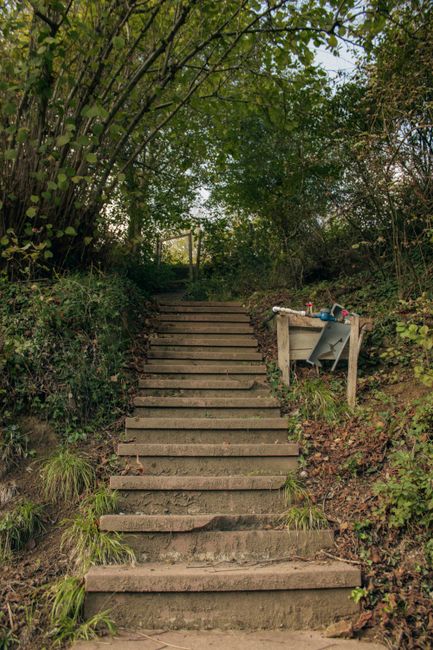
Jubilee Country Park gardeners local wildlife planting ideas
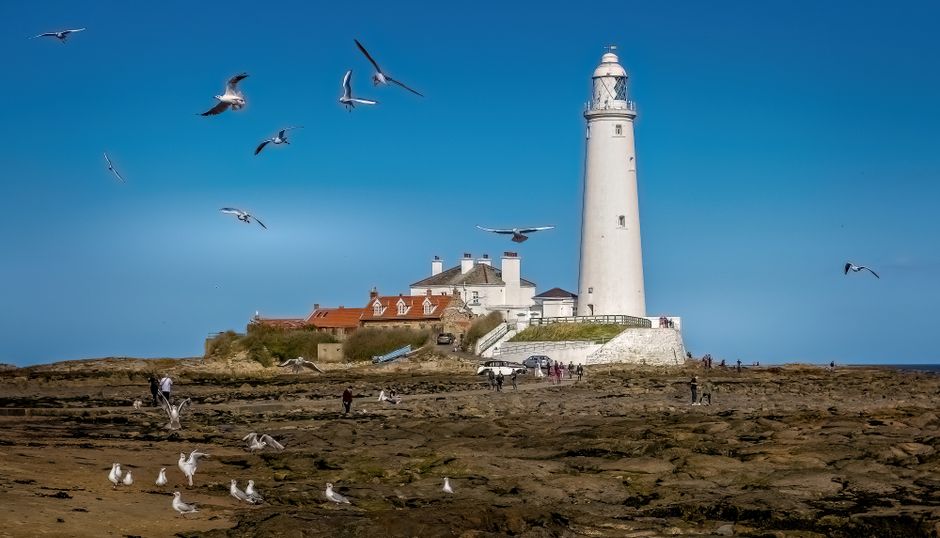
If you are trying to make a garden feel more alive, more seasonal, and frankly more rewarding to spend time in, Jubilee Country Park gardeners local wildlife planting ideas is a brilliant place to start. Around Jubilee Country Park, the best planting plans do more than look tidy; they support bees, butterflies, birds, beetles, and the whole messy, useful web that keeps a garden healthy. That does not mean letting things run wild. It means choosing the right plants, placing them with care, and managing the space so wildlife and people can both get what they need.
In this guide, we will break down how local wildlife planting works, which plants tend to earn their keep in UK gardens, what to avoid, and how to build a habitat-friendly plan without creating extra maintenance headaches. If you want a garden that feels softer, richer, and better suited to the local landscape, you are in the right place. And yes, it can still be neat. Let's face it, most people want wildlife value without the brambles taking over the path.
- Why it matters
- How it works
- Key benefits
- Who this is for
- Step-by-step guidance
- Expert tips
- Common mistakes to avoid
- Tools, resources and recommendations
- Law, compliance and best practice
- Options and comparison table
- Case study or real-world example
- Practical checklist
- Conclusion
- Frequently asked questions
Why Jubilee Country Park gardeners local wildlife planting ideas Matters
Gardens near parks, mature trees, footpaths, and mixed housing can act as small but meaningful stepping stones for wildlife. That is especially true in suburban parts of London, where pockets of habitat are often fragmented. A single garden may not look like much on its own, but when lots of people make small changes, it adds up. Nectar plants, seed heads, shelter, and nesting cover all help.
For Jubilee Country Park gardeners local wildlife planting ideas, the point is not simply "plant more flowers." It is to create layers: ground cover for insects, shrubs for shelter, climbers for vertical interest, and a few trees or hedges if space allows. That layered structure offers food across the year and protects wildlife from wind, heat, and predators.
It also matters because local conditions shape success. Clay soil, dry shade, windy corners, and compacted patches all affect what thrives. A wildlife planting plan that ignores those realities often becomes patchy and disappointing. A thoughtful one can look good in spring, stay useful in winter, and age with a bit of grace. There is something satisfying about that, even in December when the garden feels a bit sleepy.
If you are redesigning a neglected plot, it can help to read practical groundwork advice first, such as first steps to transforming a neglected outdoor oasis, because habitat planting works best when the space is healthy and well-prepared.
How Jubilee Country Park gardeners local wildlife planting ideas Works
Wildlife-friendly planting works because it matches plant choice to function. Some plants feed pollinators. Others provide berries or seeds. Some create cover, while others help insects overwinter in leaf litter or hollow stems. The trick is to combine those functions without making the garden feel cluttered.
A good starting point is to think in three seasonal layers:
- Spring and early summer food for emerging bees and hoverflies
- Late summer and autumn nectar for butterflies, beetles, and other pollinators
- Winter shelter and seed for birds and beneficial insects
That means choosing plants with staggered flowering times, leaving some seed heads standing, and avoiding the urge to cut everything back too early. A garden that is always "too tidy" often becomes less useful. Not a disaster, just a missed opportunity.
In practical terms, wildlife planting also means using the structure of the garden well. A sunny border can support lavender, verbena, salvias, and scabious. A shaded fence line might be better for ivy alternatives, ferns, foxgloves, and native shrubs. If you are working in a narrow plot, vertical layers can do a lot of heavy lifting; our guide to maximising spaces with vertical gardening is useful if you want to add habitat without sacrificing walking room.
And if ivy is already taking charge, it is worth dealing with it carefully before replanting. The article on removing ivy once and for all explains why control matters, especially where ivy is smothering walls, fences, or groundcover you actually want to keep.
Key Benefits and Practical Advantages
The obvious benefit is wildlife support, but there are several knock-on gains that people often notice after a season or two.
- Better pollination for fruit, herbs, and flowering plants
- Lower pest pressure as predator insects and birds move in
- More year-round interest through flowers, berries, scent, foliage, and texture
- Improved resilience against drought, wind, and short dry spells
- Less maintenance stress when you choose robust, site-appropriate plants
There is also a quieter benefit that is hard to put in a table: the garden feels more connected to the season. You notice bees on warm mornings, blackbirds foraging under shrubs, and the sound of insects on still evenings. Even a small courtyard can feel less sterile when planting is done with intent.
For many households, wildlife-friendly planting also supports broader garden goals. A hedge can screen a boundary, a meadow-style edge can soften a lawn, and ground cover can suppress weeds while helping insects. If you are balancing beauty and budget, ground covers for a captivating UK garden can be a surprisingly practical companion read.
Who This Is For and When It Makes Sense
This approach suits a lot of people, not just the committed wildlife gardener with binoculars and a pond net. Honestly, it is for anyone who wants a better-performing garden.
- Homeowners who want a more natural-looking and lower-input garden
- Families who want children to notice nature up close
- Older gardens that feel tired, bare, or overly hard-landscaped
- New-build plots where the soil and planting are still being established
- Busy gardeners who want value from every plant, not constant replanting
It makes the most sense when your garden has at least one of these features: a sunny border, a fence or hedge line, a patch of lawn that could become meadow-style, or a hard-to-plant corner that needs softening. It also makes sense if you have noticed fewer birds and insects than you would like.
Not every garden needs the same solution. A compact urban plot might benefit more from containers and climbers, while a larger space can support shrubs, trees, and a proper mixed border. If you are unsure what suits your site, a good beginning is to tidy and assess the space first, much like the approach in transforming a neglected outdoor oasis.
Step-by-Step Guidance
Here is a practical way to build wildlife planting ideas around Jubilee Country Park without making the project overcomplicated.
- Map the conditions. Note sun, shade, wind exposure, damp spots, and where people walk most often.
- Decide your wildlife goal. Do you want more bees, more birds, more butterflies, or a bit of everything?
- Choose planting layers. Combine ground cover, border plants, shrubs, and climbers.
- Stagger flowering times. Aim for something in bloom from early spring to late autumn.
- Keep some structure for winter. Leave seed heads, berrying shrubs, and safe shelter.
- Use mulch and compost. Healthy soil makes plants stronger and reduces watering demand.
- Review after one season. Replace weak performers and expand the bits that worked.
A practical border might look like this: low-growing native or nectar-rich ground cover at the front, medium-height perennials through the middle, and a shrub layer behind. If you have shade, use climbers and woodland-style plants instead of forcing sun lovers into a dark corner. If your plot is exposed, check solutions for windswept gardens before planting, because shelter makes a huge difference to survival.
For spaces near children, pets, or heavy foot traffic, it is worth planning clear edges and safe circulation. In some gardens, using soft planting around a defined seating area works beautifully; you can borrow ideas from inviting seating areas in the garden to keep the layout usable, not just pretty.
Expert Tips for Better Results
In our experience, the strongest wildlife gardens are not the ones packed with the rarest plants. They are the ones with a clear rhythm and a few reliable performers repeated thoughtfully.
1. Use repetition, not randomness
Repeating a plant in groups of three or five gives insects a better target and makes the design feel calmer. One lavender is nice. A small drift of lavender is much better.
2. Prioritise pollen and nectar over novelty
Double flowers can look lush, but they often provide less access for insects. Single flowers with open centres usually do more ecological work.
3. Keep some rough edges
A tiny pile of prunings in a hidden corner, a patch of leaf litter under shrubs, or a few hollow stems left standing can support beneficial insects. This is not neglect. It is habitat.
4. Match plants to your actual soil
Wet-loving plants in dry soil will sulk, and dry-loving plants in heavy shade will struggle. Get the basics right first. Fancy plant choices come later.
5. Plan for all four seasons
Spring blossom is great, but winter structure matters just as much. Evergreen shrubs, seed heads, and bark texture help a garden keep its character when flowering has paused.
If you want a softer, lower-maintenance look that still supports wildlife, combine this approach with practical maintenance habits from low-maintenance and budget-friendly garden ideas. It is a useful balance, especially if time is tight.
One more small but important point: compost matters. Healthy soil underpins everything. Reusing green waste wisely can make a noticeable difference, and the guide to organic waste to soil is a solid reminder that wildlife-friendly gardening starts underground.
Common Mistakes to Avoid
Wildlife planting is easy to get broadly right, but a few common mistakes can weaken the whole plan.
- Choosing only ornamental plants with little food value for insects
- Cutting everything back too early in autumn, before wildlife has had time to use the seed heads and shelter
- Using too much gravel or paving where planting would be more useful
- Ignoring wind and shade and then wondering why plants fail
- Leaving invasive climbers unchecked so they overwhelm the planting plan
- Overfeeding and overwatering until the garden becomes lush but fragile
A subtle mistake is trying to copy someone else's planting scheme without adjusting for the site. What works in a sheltered, sunny garden with free-draining soil may flop in a cooler, heavier, more exposed one. That is not a failure. It is just gardening, truth be told.
Another mistake is forgetting the "human side" of the garden. If the planting blocks access, creates trip hazards, or makes it hard to maintain paths, people stop enjoying it. In family gardens, practical boundaries matter too, and you may find useful ideas in designing a spacious and secure garden for endless kid adventures.
Tools, Resources and Recommendations
You do not need a shed full of specialist kit to create a wildlife-friendly planting scheme. A few basics, used well, go a long way.
- Hand trowel and fork for planting and soil preparation
- Secateurs for deadheading and light pruning
- Watering can or hose with a gentle rose for establishing new plants
- Mulch or compost to protect soil and feed planting beds
- Gloves and kneeler for comfort during longer sessions
If your plot has awkward vertical space, a climber or wall-trained plant can add cover without taking much ground room. You might also like the climber's promise in shaded spots if your garden has walls or fences that could be brought to life.
For ongoing upkeep, a seasonal maintenance plan helps. That may include light hedge work, clearing paths, trimming back aggressive growth, and checking that nesting and shelter areas are not accidentally removed too early. If the garden needs a more comprehensive reset, a professional garden maintenance approach can be useful, especially when you want the planting to look intentional all year round.
Law, Compliance, Standards, or Best Practice
For most domestic gardens, there is no special legal framework for wildlife planting itself, but sensible UK best practice still matters. If you are working near shared boundaries, public paths, or protected trees, you should be careful about overhanging growth, root spread, and access rights. If tree work is involved, it is wise to be cautious and use qualified help where needed.
Best practice in this context usually means:
- avoiding damage to neighbouring property or access routes
- checking for nesting birds before major cutting back, especially in the spring and summer season
- using safe ladder and tool handling
- keeping paths visible and hazards reduced
- managing waste responsibly through composting or appropriate removal
It is also sensible to think about health and safety if you are doing larger jobs, especially where tools, heights, or heavy materials are involved. If the work becomes more involved than expected, the site's health and safety policy and broader insurance and safety information are worth reviewing before any major garden project.
For professional work, clear terms, pricing, and service expectations matter too. That is just good practice. Nobody likes surprises halfway through a job, especially when the weather turns and everything gets muddy.
Options, Methods, or Comparison Table
There are several ways to approach wildlife planting. The right one depends on your budget, space, and how "natural" you want the final result to feel.
| Approach | Best for | Strengths | Trade-offs |
|---|---|---|---|
| Native planting scheme | Maximum habitat value | Strong support for local insects and birds, good seasonal resilience | Can look less formal if not designed carefully |
| Mixed ornamental-wildlife border | Balanced beauty and ecology | Flexible, colourful, easier to tailor to a front or back garden | Needs a bit of selection to avoid low-value ornamentals |
| Container wildlife planting | Small patios and courtyards | Works in tight spaces, easy to refresh, adaptable | Requires regular watering and feeding |
| Wild patch or mini-meadow | Open areas and low-maintenance corners | Great for pollinators, relaxed seasonal feel | May need cut-back timing and a little patience |
If you want a more structured, neat look, hedges, edging, and repeating shrubs can keep the garden readable while still being wildlife-friendly. A useful companion read is redefining garden design with hedge trimming, because shape and habitat can work together rather than compete.
On the other hand, if your garden is mainly hard landscaping at the moment, start small and build outward. Even one wildlife-focused border can change the feel of the whole place.
Case Study or Real-World Example
Here is a realistic example from the kind of garden many people near Jubilee Country Park inherit: a modest back garden with a fence line, a tired lawn, one dry border, and a shady corner that never seems to do much. The owners want birds, more bees, and something that looks better from the kitchen window without becoming a full-time job.
The solution was simple, not flashy. The sunny border was planted with repeated nectar-rich perennials and a couple of compact shrubs. The shady side got layered with shade-tolerant plants and a climber for vertical cover. The bare patch near the fence was mulched and planted with a low ground cover that could soften the edge and reduce weeds. A small section of the lawn was left less manicured, creating a transition zone rather than a hard cut between "garden" and "wilderness."
Within a season, the garden felt fuller. Birds used the shrubs for cover. Pollinators moved through the border in waves. The owners still had a clear path and a usable seating area, but the space no longer felt flat. That is usually the sweet spot. Not perfection, just life.
For a setup like that, good tools matter, especially if you are pruning, mulching, and reworking a neglected corner. The guide on tools every gardener needs to own is a practical place to check what should already be in the shed before you start.
Practical Checklist
Use this quick checklist before planting or redesigning your wildlife-friendly space.
- Have I checked sun, shade, soil, and wind exposure?
- Have I chosen plants that offer nectar, berries, seed, or shelter?
- Do I have flowers across more than one season?
- Have I left space for paths and daily access?
- Have I allowed for some winter structure?
- Is the soil improved with compost or mulch?
- Have I avoided invasive or overly dominant species?
- Do I have a plan for watering new plants in dry spells?
- Have I thought about pets, children, and trip hazards?
- Have I left some low-disturbance habitat, even if it is only a small corner?
If the answer to most of those is yes, you are in decent shape. If not, no panic. Gardening rarely needs a dramatic reset; it usually needs one sensible step at a time.
Conclusion
Jubilee Country Park gardeners local wildlife planting ideas work best when they are practical, layered, and rooted in the realities of the site. The goal is not to create a perfect miniature nature reserve. It is to build a garden that feeds pollinators, shelters birds, softens the hard edges of urban life, and still feels good to live with every day.
Start with the conditions you have. Use repeated plant groups. Keep some structure through winter. Avoid the common traps. And give the garden time to settle, because a wildlife-friendly planting plan usually improves month by month, not overnight. By the second season, you will often notice the difference in sound as much as sight.
Get a free quote today and see how much you can save.
And if you are not quite ready to do it all yourself, that is perfectly fine. Sometimes the best gardens begin with a bit of help, a clear plan, and one good patch of soil. The rest tends to follow.
Frequently Asked Questions
What are the best plants for local wildlife in a Jubilee Country Park garden?
The best choices are usually plants that provide nectar, pollen, seed, berries, or shelter across multiple seasons. A mix of flowering perennials, shrubs, climbers, and ground cover tends to work well. The exact plants should suit your soil, shade, and exposure.
Can I make a wildlife-friendly garden without it looking messy?
Yes. The trick is structure. Repeat plants, keep clear paths, and use shrubs or edging to define the space. You can still leave a little habitat in quieter corners without letting the whole garden look untidy.
Do wildlife planting ideas work in small gardens?
Absolutely. Small gardens can support pollinators through containers, climbers, compact shrubs, and layered planting. Vertical space matters a lot when ground space is tight.
Should I use native plants only?
Native plants are often a strong choice because they support local insects well, but they do not have to be the only plants. A good mixed scheme can combine natives with carefully chosen ornamentals that still offer value to wildlife.
When is the best time to plant for wildlife?
Autumn and spring are both good, depending on the plant and conditions. Autumn planting often helps roots establish while the soil is still warm, but spring can work well for more tender additions.
How do I attract more bees and butterflies?
Use open, nectar-rich flowers, plant in drifts, and keep flowering going from spring to autumn. Avoid heavy use of pesticides, and try to provide shelter and a little wind protection too.
Is a meadow area a good idea in a suburban garden?
It can be, provided it is planned properly. Even a small meadow-style patch can support insects and add seasonal character. The key is making sure it does not overwhelm access or become hard to maintain.
How often should I cut back wildlife planting?
That depends on the plant and the season. In general, it is wise not to clear everything too early in autumn. Leaving seed heads and stems through winter often helps wildlife, then you can cut back selectively in late winter or early spring.
What if my garden is windy or shady?
Then choose accordingly. Windy gardens need tougher, more sheltered planting and possibly hedging or screens. Shady gardens often do better with woodland-style species, climbers, and ground cover designed for low light. Trying to fight the site is usually a losing game.
Do I need professional help to create wildlife planting ideas?
Not always, but professional help can save time if the space is overgrown, poorly drained, heavily shaded, or awkwardly laid out. It can also help if you want a balanced design that stays neat while supporting local wildlife.
Will wildlife planting increase maintenance?
Sometimes slightly at the start, but often less over time. Healthy, well-matched plants tend to need less intervention than constant replanting or over-managed lawn areas. A good design usually reduces work, not adds to it.
What should I avoid if I want to protect wildlife?
Avoid over-tidying, excessive hard surfacing, and planting choices that provide little value to insects or birds. Also be cautious with aggressive species that can smother the planting plan, and take care around nesting seasons.